Ankylosis
- Home
- Ankylosis
Ankylosis
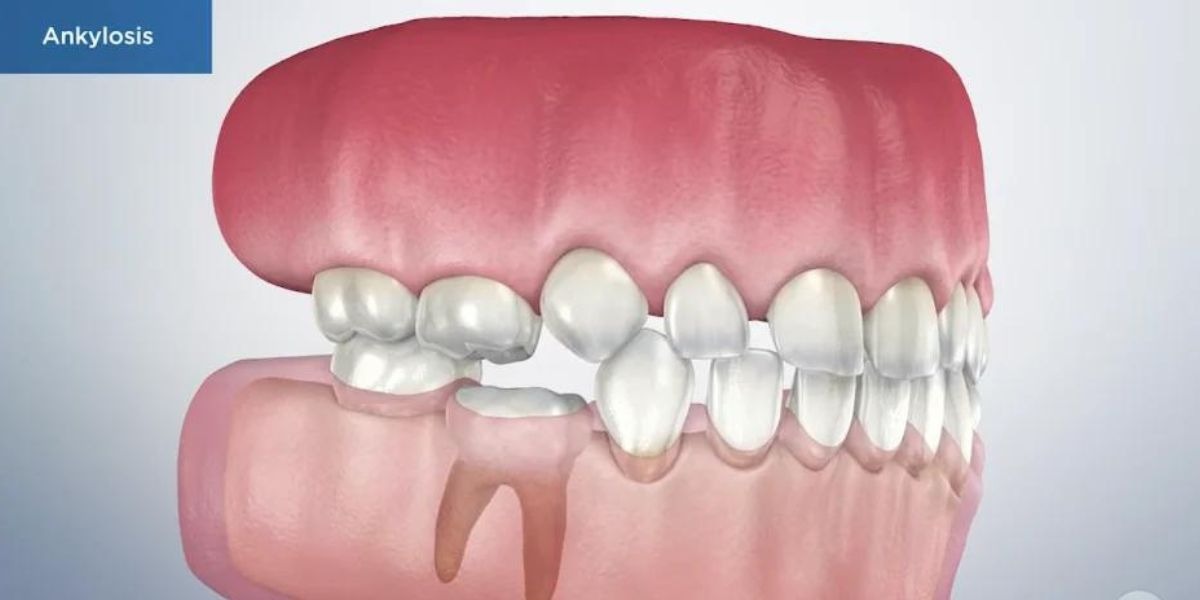
Ankylosis in the temporomandibular joint (TMJ) is a condition in which the joint connecting the lower jaw to the skull becomes stiff or completely immobile due to abnormal fusion of the joint structures. This fusion may occur between the bones or surrounding tissues of the joint, restricting normal jaw movement. TMJ ankylosis can significantly affect essential functions such as speaking, chewing, and opening the mouth comfortably.
The need for surgery generally falls into two categories:
TMJ Ankylosis Causes:
- Trauma: Jaw injury or fracture
- Infection: Local or systemic
- Inflammation: Conditions like rheumatoid arthritis
- Congenital conditions: Rare developmental issues
- Previous surgery or radiation: Complications
TMJ Ankylosis Symptoms:
- Limited jaw movement: Difficulty opening mouth
- Inability to open mouth fully: Often progressive
- Facial asymmetry: In children, affects growth
- Difficulty eating or speaking
- Pain or discomfort: In jaw or surrounding areas
TMJ Ankylosis Treatment :
Depends on severity and underlying cause. Mild Cases - Conservative Management
- Pain Management
- Physical Therapy
- Warm Compresses
- Diet Modification
Severe to Advanced Cases needs surgical intervention
Arthroplasty :
- Resection
- Total Joint Replacement
- Gap Arthtoplasty
- Osteotomy
- Bone Grafting
Pre-Surgical Preparation
The notes outline several steps required before undergoing these surgeries:
- Pre-surgical Orthodontics: Often needed before the actual surgery takes place. Imaging: X-rays and CT scans are required.
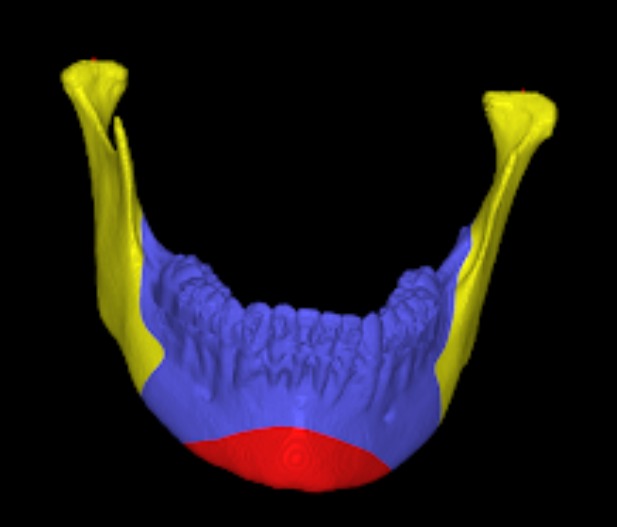
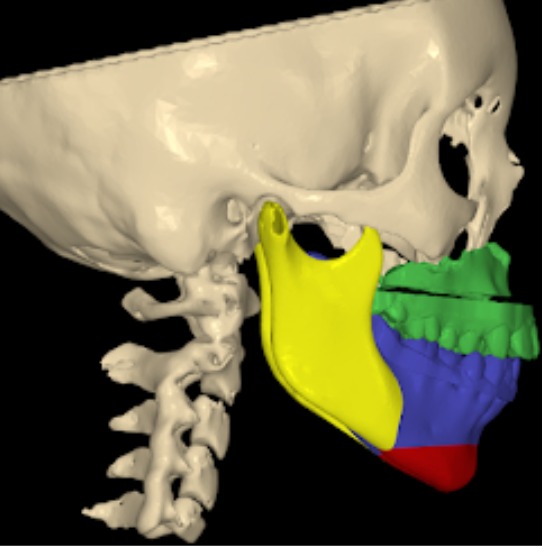
- Planning: Virtual surgical planning is performed on a computer, along with model surgery.
- Psychological Evaluation: Conducted to ensure a successful outcome for the patient.
Post-Surgical Recovery
- Hospital Stay: Typically lasts approximately 3-4 days.
- Discharge Criteria: Patients can be discharged once they can start taking soft food orally and can perform day-to-day activities by themselves.
"Transform Your Smile, Transform Your Life"
Our Happy Customers
Join thousands of happy patients who trust us for gentle, expert care and beautiful smiles. Your perfect dental experience starts here!
Saijan Tt"It's a pleasure with Dr. Philip Mathew, Dental Surgeon whom the best I ever met. A friend of all ages, brotherly concern to every patient and perfect in treatment. Thanks to treat my whole family with no other choice!"
varalakshmy m"I had a good experience about my surgery.I had fear during surgery but now I am feeling so happy because now my facial appearence is more good than earlier. After surgery, most of my friends,relatives and family have the very good opinion. And also he is the wonderful person, he always gives the positive energy. Thank you so much Dr.Philip Mathew sir and the Team."
Sijo Varghese"Orthognathic Surgery was conducted for my daughter by Dr. Philip Mathew. The makeover is really attractive and I should appreciate the Doctor for his aesthetic sense and his endeavour to make people smile with confidence."
Sana Fathima"I had a good experience about my surgery .l had fear during surgery but now l am feeling so happy because now my facial appearance is more good then earlier. After surgery, most of my friends,relatives and family have the very good opinion. Thank you so much Dr.Philip Mathew sir"
Limsy Rijo Limsy rijo"Altogether feeling good about JP dental clinic . proper explanation about the treatment plan and execution.since I had come for the second opinion I am thankful to God for directing me . Once again thank you Doctor"
Arya Shajan T"I had a great experience and support from Dr. Philip Mathews and his team. I am extremely happy with the result of surgery and I would recommend everyone JP Dental clinic."
Basil Babu"Dr.philip mathew is incredible. He explained everything to me in a very clear manner.he was also kind and friendly. All of the staff and his other colleagues in the same department at jubilee mission hospital and JP dental center were great and very helpful.now I feel very confident about my appearance than earlier."
meghanath"I arrived here with a prognathic lower jaw issue that made it hard for me to chew and talk. The doctors' were really kind. Both the orthodontic procedure and the surgery went quite well, and I am really happy with the outcome"
Abhi K"I had an accident few years back and was seriously injured and i lost seven of my teeth and because of that i was facing a lot of difficulties . I was not even able to chew food properly. Then i came to know about dr. Philip from J P dental clinic who is also a dental surgeon in mission hospital. I consulted him nearly a month ago and he fixed all my problems. I felt so safe and secure in his care . Im so grateful to dr. Philip sir and jp dental for bringing my smile back."
Pranav Suresh"The clinic is very clean and warm very unlike a regular dental clinic. The initial consultation made me comfortable and I decided to go ahead. I had undergone a jaw surgery and I genuinely feel happy towards it and the doctor's approach towards me was very nice."
Ready to Book Your Appointment?
Contact us today to schedule your visit and take the first step toward a healthier smile.